Charitable Casino Plans Press On in Littleton, New Hampshire, Despite Voter Pushback on Games of Chance

Plans for a charitable gaming casino in Littleton, New Hampshire, continue to advance even as local residents rallied against games of chance through a voter-approved petition earlier this March 2026; the measure passed 644 to 449, signaling strong community sentiment, yet developers remain undeterred because the project falls under charitable gaming rules that sidestep typical zoning hurdles.
The Voter Petition That Shook Littleton
Back in early March 2026, Littleton residents turned out in force for a special town vote on banning "games of chance," a petition drive that gathered enough signatures to force the issue onto the ballot; official results from the 2026 official town results confirm the tally at 644 yes votes against 449 no votes, a margin that underscores divisions in this small northern New Hampshire community of around 6,000 people.
Those who supported the ban argued it would protect the town's family-friendly vibe, prevent problem gambling from taking root, and keep Route 302's commercial strip from morphing into something flashier; opponents, meanwhile, highlighted potential economic boosts, though data from the vote shows the prohibition side carried the day by about 15 percentage points.
What's interesting here is how quickly the petition moved from grassroots effort to official ballot item, wrapping up votes by mid-March, yet the casino proposal didn't flinch; turns out, local laws carve out exceptions for charitable operations, allowing projects like this one to proceed without the full weight of zoning approvals.
Spotlight on the Proposed Site and Developers
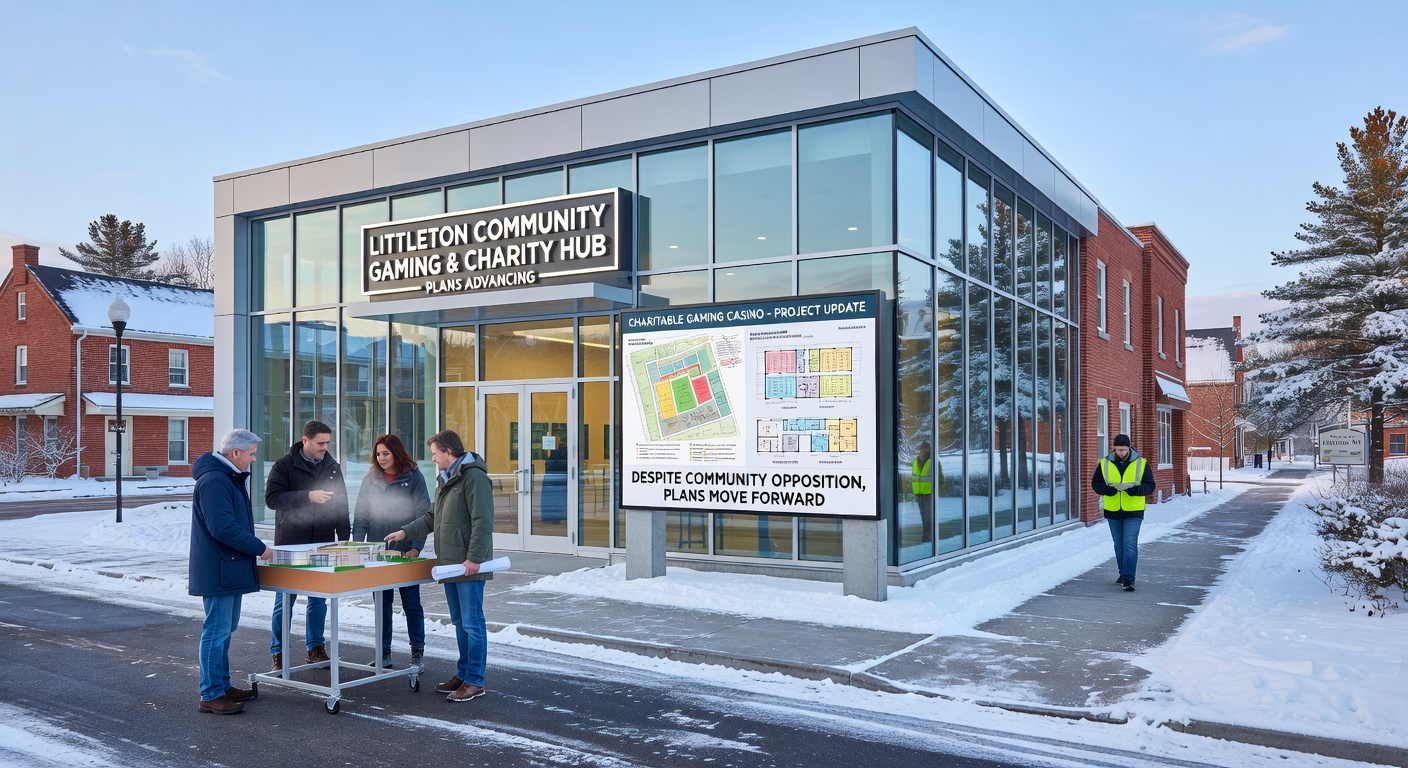
The focal point sits right on Route 302, in the former Staples office supply store building that's been empty for years, a spot many locals know as a landmark along this key corridor linking Littleton to nearby White Mountains attractions; a Chicago-based developer snapped up the property recently, eyeing it for a gaming venue where proceeds would flow directly to local charities rather than private pockets.
Details on the developer remain somewhat sparse—no name released publicly yet—but reports from WCAX coverage in late March 2026 confirm the purchase and the charitable angle, noting how such setups align with New Hampshire's long-standing tolerance for nonprofit gaming events; think bingo halls and the like, but scaled up to casino-style operations under strict charitable oversight.
And here's where it gets interesting: no specific opening date has surfaced, leaving room for speculation on timelines, construction needs, or even equipment installations, but the site's prior retail use means minimal structural overhauls, potentially speeding things along compared to greenfield builds elsewhere.
Why the Ban Doesn't Apply: Charitable Gaming Exemptions Explained
New Hampshire law treats charitable gaming differently from commercial casinos, exempting it from zoning permit requirements that would otherwise halt projects post-ban; experts who've tracked the state's gaming regulations point out that organizations licensed for charitable games—be it keno, poker nights, or larger draws—operate under a separate framework overseen by the state lottery commission, focusing on fundraisers for schools, fire departments, and community groups.
So while Littleton's fresh ban targets broader "games of chance," this project slips through because it positions itself as charitable, directing a portion of revenue straight to local causes; observers note similar exemptions have enabled gaming pop-ups and halls across the state without triggering municipal zoning battles, a pattern that's played out in towns from Nashua to Concord over the years.
Take one case from nearby regions where a charitable bingo operation opened despite local grumbles; it ran smoothly, funneled thousands to youth sports, and closed without major incidents, offering a blueprint that Littleton developers likely have in mind here.
That said, the exemption doesn't mean zero oversight—state approvals still loom large, covering licensing, equipment standards, and revenue audits to ensure charities get their cut, typically 30-50% depending on the game type; figures from past charitable events reveal millions raised annually statewide, with Littleton's slice potentially adding tens of thousands if the casino draws regional crowds.
Community Opposition and the Pushback Dynamics
Opposition didn't fade after the vote; residents who've voiced concerns point to traffic spikes on Route 302, fears of increased crime tied to gaming spots, and a desire to preserve Littleton's quaint, outdoor-recreation image amid its proximity to ski areas and hiking trails; social media threads and local forums from March 2026 buzz with comments like "we voted no for a reason," reflecting a sentiment that the charitable label doesn't erase those worries.
But developers counter with facts on controlled environments—think age checks, security cams, and limited hours—mirroring setups at other NH charitable venues where incident rates stay low per state reports; one study of similar operations found gambling-related calls to police averaging under 1% of total dispatches, a stat that bolsters the pro-side argument even as detractors dig in.
Now, with plans moving forward, town selectmen face the tricky spot of enforcing the ban where it applies while watching this exemption unfold; meetings in late March drew packed rooms, where both camps laid out their cases, but no legal challenges have emerged yet to test the charitable carve-out in court.
Economic Angles and Charity Revenue Projections
Proponents highlight the upside for local coffers, projecting that even modest foot traffic could generate $100,000-plus annually for charities, based on averages from comparable NH sites; Route 302's visibility—sandwiched between shops, eateries, and motels—positions it well for draw from drivers heading north to Franconia Notch or east to Maine, turning idle retail space into a revenue engine without taxpayer costs.
Those who've analyzed small-town gaming infusions note how such projects often fund everything from Little League fields to senior center upgrades, with one nearby town reporting a 20% bump in community grants after launching a charitable hall; here, the Chicago developer's investment signals confidence in steady play, perhaps from snowbirds wintering nearby or summer tourists seeking evening entertainment.
Yet skeptics question the math, citing data where charitable gaming nets dip during off-seasons, potentially leaving charities high and dry if crowds don't materialize; still, the model's track record in New Hampshire—over $20 million raised statewide in recent fiscal years—suggests viability, especially sans the zoning red tape.
Next Steps and Watching the Horizon
As of late March 2026, developers push ahead with interior planning, state licensing applications, and outreach to potential charity partners like the local hospital or food pantry; no groundbreaking photos have surfaced, but quiet progress on permits hints at momentum building behind the scenes.
Community watchers keep tabs via town agendas and developer updates, where any shifts—like adding slots or table games—could spark fresh debates; the ball's now in the state lottery commission's court for final nods, a process that typically spans 3-6 months for charitable applicants.
It's noteworthy how this saga mirrors tensions in other rural spots, where economic needs clash with quality-of-life priorities, but Littleton's case stands out for the voter turnout and swift exemption workaround.
Conclusion
Littleton's charitable casino bid rolls on amid the March 2026 vote's echo, with the old Staples site on Route 302 set to host gaming that funnels funds to local good causes while dodging the new games-of-chance ban through regulatory exemptions; residents divided, developers committed, and state rules holding firm paint a picture of progress tempered by contention, as all eyes turn to licensing outcomes and opening prospects in the months ahead.
Figures from the vote—644 to 449—linger as a reminder of the stakes, yet the project's charitable core keeps it in play, potentially reshaping a quiet stretch of highway into a hub for community support; those tracking New Hampshire gaming trends see this as par for the course, where local bans meet state-sanctioned exceptions head-on.