31 Jul 2026
Linking Loyalty Initiatives to Mobile Applications in Multi-Platform Gaming and Betting Environments
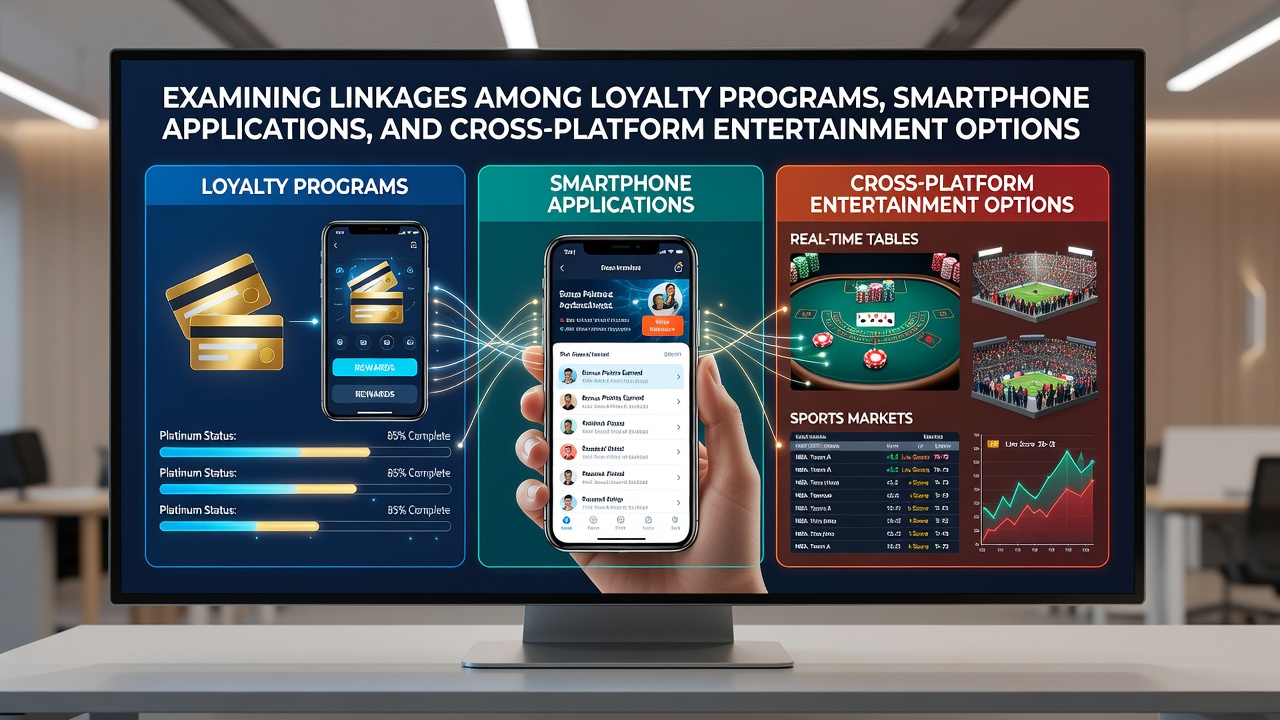
Observers note that loyalty programs now connect directly with smartphone applications to create unified experiences across real-time table games and sports markets, while data from industry reports shows increased integration in multiple jurisdictions as of July 2026. These systems allow users to accumulate points from one activity and apply them toward another without switching platforms, and operators track participation through centralized databases that update in real time.
Core Components of Integrated Loyalty Systems
Studies indicate that modern loyalty frameworks operate through tiered reward structures where activity in live dealer environments generates points at rates comparable to those in sports wagering sections, and smartphone apps serve as the primary interface for tracking balances and redeeming offers. Researchers at various academic institutions have documented how these programs reduce fragmentation by linking user accounts across devices, which in turn supports seamless transitions between table sessions and market selections.
Figures from regulatory filings reveal that many operators now embed loyalty mechanics directly into app code, so that deposits, wagers, and session durations automatically feed into a single rewards ledger. This approach eliminates the need for separate logins, and users receive notifications about point milestones while they remain engaged with either live tables or sports interfaces.
Role of Smartphone Applications in Cross-Platform Access
Smartphone applications function as central hubs that pull data from multiple entertainment modules, and developers design them to handle simultaneous streams such as real-time card dealing alongside odds updates for upcoming matches. Evidence from technology audits shows that these apps employ secure APIs to maintain consistent loyalty balances regardless of whether a player switches from a poker table to a basketball market within the same session.
Those who have examined usage patterns report that push notifications tied to loyalty status encourage continued participation across platforms, while location-based features allow rewards earned in one region to apply elsewhere when permitted by licensing rules. In July 2026 several state-level updates expanded the geographic scope of such transfers, which operators implemented through app updates that rolled out over a two-week period.
Data Flows Between Tables, Sports Markets, and Reward Structures
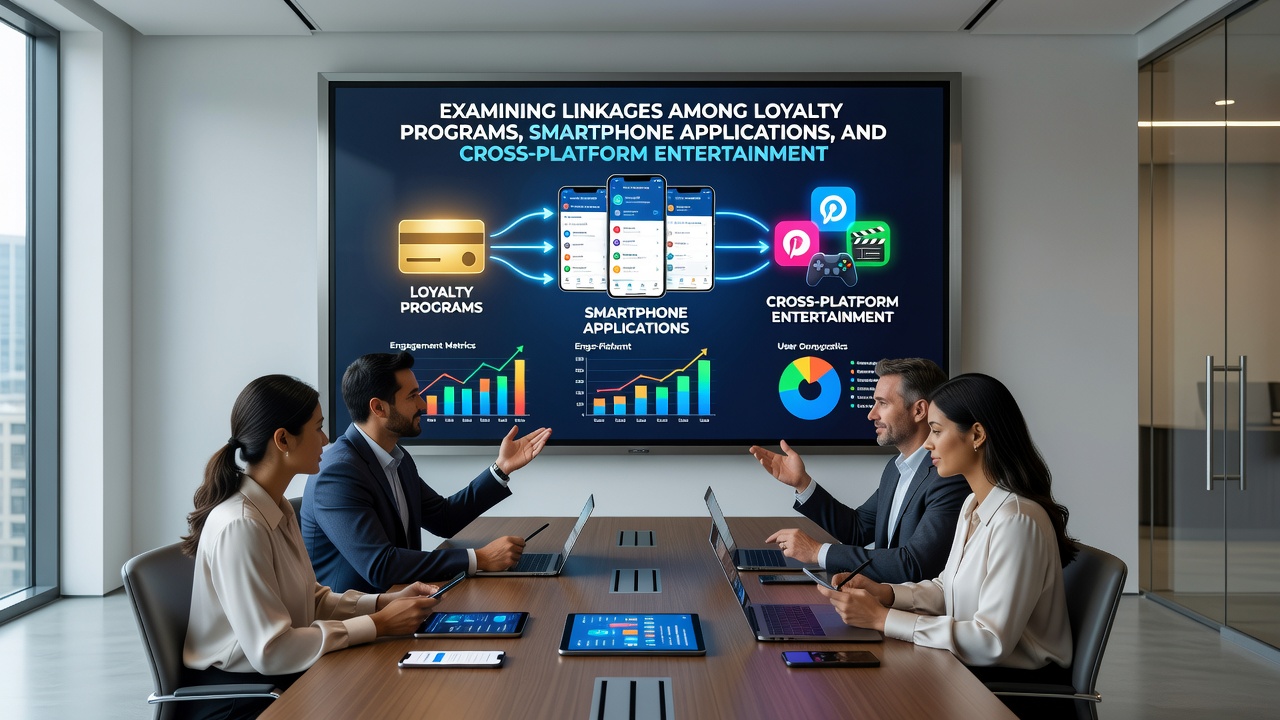
Operators maintain backend systems that log every transaction from live table environments and sports markets into unified loyalty databases, and these records determine eligibility for bonuses that can be activated directly within the smartphone application. According to information released by the New Jersey Division of Gaming Enforcement, integrated tracking reduced administrative discrepancies by measurable percentages in the preceding fiscal year.
People who monitor industry metrics note that point multipliers often apply during peak hours for both table games and sports events, creating incentives that span entertainment categories. The same accounts that accumulate rewards from blackjack sessions can redeem them for enhanced odds displays or exclusive market access, and app interfaces display these options side by side for immediate selection.
Regulatory and Technical Considerations in Mid-2026
Regulatory bodies in several North American and European markets updated guidelines during the first half of 2026 to address data sharing between loyalty modules and cross-platform entertainment tools, and compliance reports indicate that most major operators adjusted their applications accordingly by July. These changes focus on transparency in how points transfer across real-time tables and sports sections without affecting user privacy standards.
Technical standards published by industry associations emphasize encryption protocols that protect loyalty data during transfers between devices and central servers, while testing protocols verify that sports market results integrate correctly with table game histories for reward calculations. Operators that meet these standards receive certification that appears within their smartphone applications as verification badges.
Conclusion
The connections among loyalty programs, smartphone applications, and cross-platform options continue to evolve through standardized data practices and updated regulatory frameworks as of July 2026. Observers tracking these developments point to consistent growth in unified account usage, and the documented linkages support continued expansion of integrated entertainment models across additional markets in subsequent periods.