20 Jul 2026
Mobile Transaction Networks Connecting Sports Wagering Lines to Tiered Loyalty Benefits on Handheld Platforms
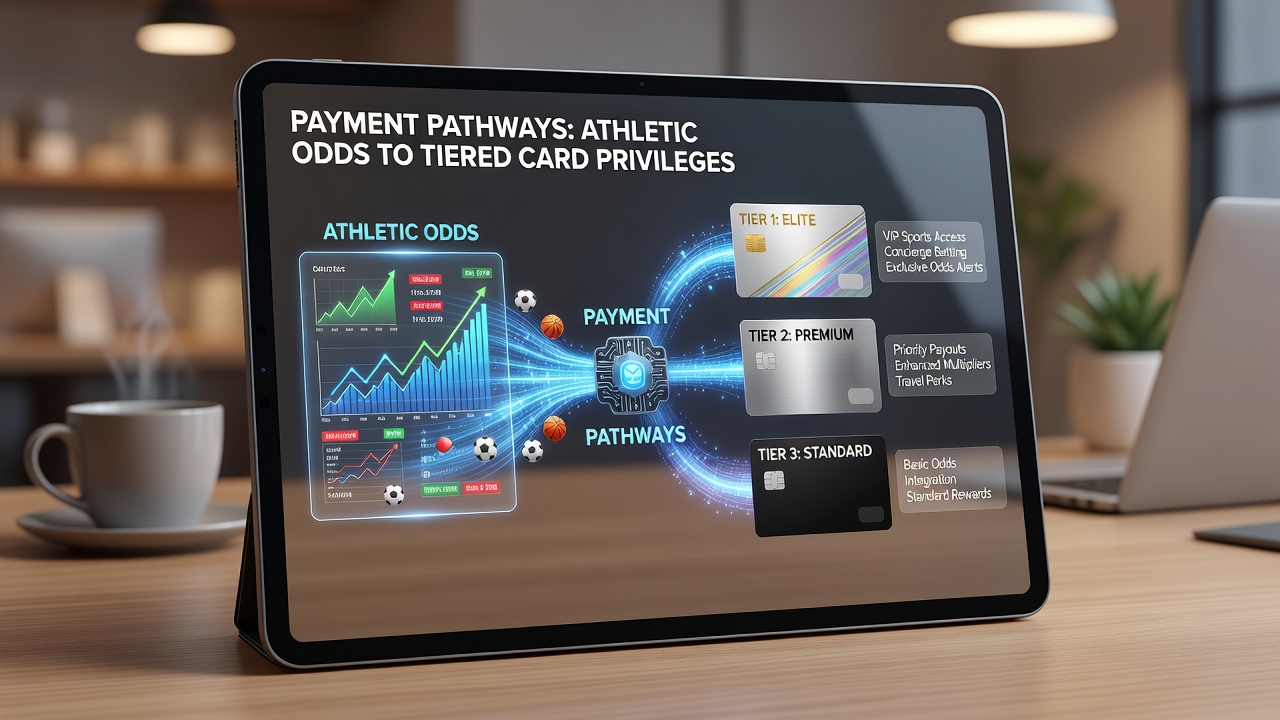
Data from multiple gaming jurisdictions shows that mobile payment networks now route athletic wagering lines directly into tiered loyalty card systems, allowing users to fund bets and access escalating privileges through the same handheld interface. These pathways combine real-time odds feeds with secure transaction rails, so a single tap can move funds from a digital wallet into an active sports market while simultaneously crediting a loyalty ledger that tracks progress toward higher card tiers.
Core Architecture of Linked Payment Flows
Payment processors embed sports data APIs inside mobile banking modules, which means odds updates appear alongside available card balances without requiring separate logins. Researchers at academic centers studying digital finance have documented how these modules use encrypted tokenization to carry both the wager amount and the associated loyalty identifier in one packet, reducing latency and eliminating duplicate authentication steps. In practice, a bettor selects a soccer parlay, confirms the stake, and the system simultaneously debits the wallet and posts the transaction to the tier-tracking database maintained by the operator.
Integration of Athletic Odds with Card Tier Progression
Operators structure their loyalty programs so that each settled wager contributes points scaled to the card tier held by the account holder. Lower-tier cards receive baseline point multipliers, while mid-tier and premium cards apply higher multipliers that accelerate qualification for additional benefits such as cashback percentages and priority withdrawal queues. Figures released by the Nevada Gaming Control Board indicate that accounts using integrated mobile pathways show faster tier advancement compared with accounts that process deposits and wagers through separate channels.
Because the payment rail carries metadata about the wager type, the system can apply tier-specific rules automatically; for example, a premium-card holder placing a live in-play bet on a basketball game receives an instant point bonus that would not apply to a standard-card holder making the identical wager. This automation relies on standardized data fields shared between the sportsbook engine and the loyalty engine, both of which reside on the same portable-device application.
Security and Compliance Mechanisms
Regulatory frameworks in several jurisdictions require that every payment pathway segment undergo independent audit before deployment. These audits verify that odds data cannot be altered after transmission and that loyalty-point calculations remain consistent across all device types. In July 2026, updated technical standards issued by the Alcohol and Gaming Commission of Ontario took effect, mandating additional encryption layers for any pathway that merges wagering and loyalty functions on a single mobile session.
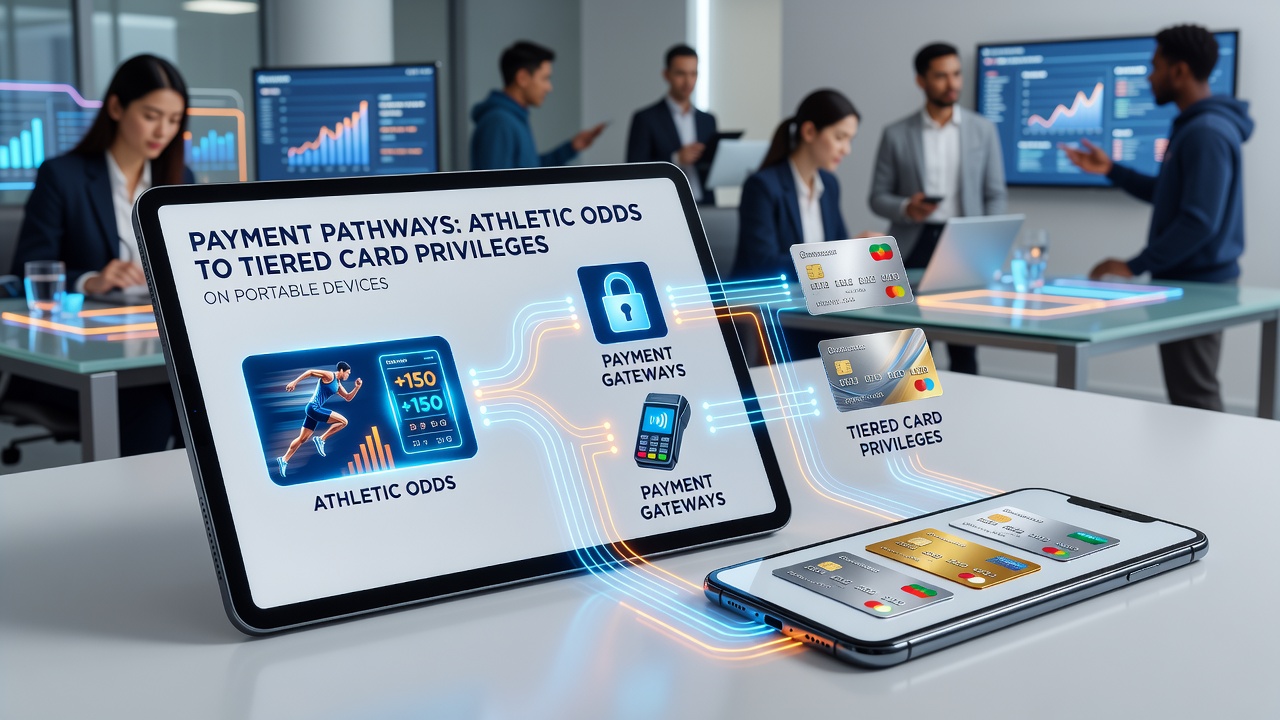
Industry reports from the American Gaming Association note that fraud detection models now incorporate both transaction velocity and tier-upgrade patterns, flagging anomalies that could indicate account sharing or unauthorized access. When such flags trigger, the pathway pauses the transaction until secondary verification completes, preserving both funds and loyalty integrity.
Regional Variations in Pathway Design
European operators often route payments through centralized clearing houses that separate sports risk management from loyalty accounting, whereas North American platforms tend to keep both functions inside a single application stack. Australian regulators have required that loyalty-point accrual rates remain visible to users at the moment of wager confirmation, a rule implemented through real-time display fields within the mobile payment screen. These differences affect how quickly a user can move between athletic markets and card-tier dashboards, yet the underlying principle of a unified transaction packet remains consistent across regions.
Future Technical Developments
Developers are testing protocols that would allow loyalty cards issued by external financial institutions to participate in the same mobile pathways currently used by operator-branded cards. Pilot programs in select markets demonstrate that external cards can receive wager-linked rewards provided the issuing bank supplies an API endpoint compatible with the operator's transaction format. Such expansions would broaden the range of privileges accessible through portable devices while maintaining the same security and compliance checkpoints already in place.
Conclusion
Payment pathways that link athletic odds to tiered card privileges continue to evolve through coordinated updates in software architecture, regulatory standards, and security protocols. Observers tracking these developments note that the core mechanism remains the transmission of a single, tokenized packet containing both wager details and loyalty identifiers, executed on handheld devices. As additional jurisdictions adopt similar technical requirements, the structure of these pathways is expected to standardize further while preserving regional distinctions in oversight and user presentation.