8 Jul 2026
Navigating Deposit Trails Toward Elite Status in Handheld Betting Systems

Payment routes in portable wagering environments follow distinct patterns that connect initial deposits directly to tiered privilege structures, and observers note these systems rely on transaction volume, frequency, and payment method type to determine access levels. Data from regulatory filings shows that many platforms track every deposit through automated ledgers that feed into loyalty algorithms, while users accumulate points based on wager size rather than deposit size alone. According to figures released by the Nevada Gaming Control Board, mobile transaction volumes rose steadily through early 2026, with a notable spike recorded in July when several operators adjusted their tier qualification thresholds.
Core Mechanisms Behind Funding and Tier Advancement
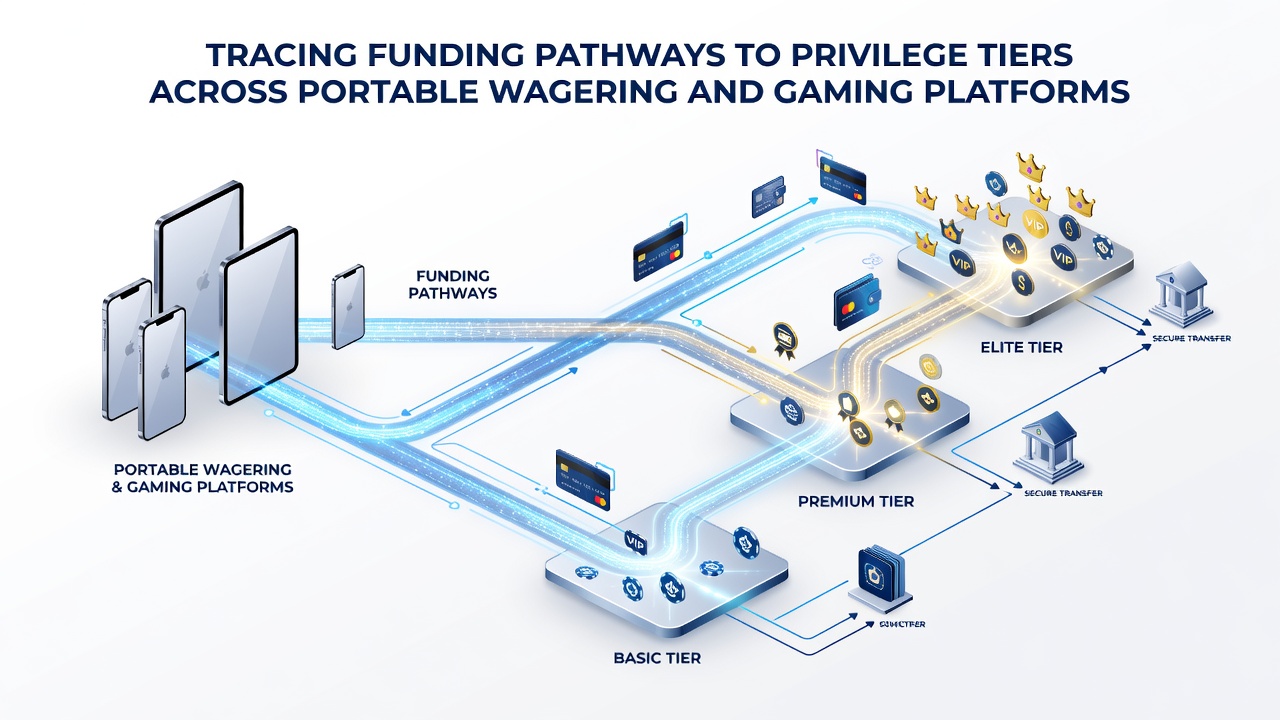
Platforms process deposits via multiple channels including bank transfers, digital wallets, and cryptocurrency options, yet each method carries different weighting in the privilege calculation models. Researchers at industry monitoring groups have documented how instant funding tools accelerate point accrual because they reduce processing delays and allow continuous play cycles, whereas traditional methods introduce waiting periods that slow tier progression. Those who've examined operator reports observe that bonus funds attached to deposits often count toward tier requirements only after users meet playthrough conditions, creating an additional layer where funding pathways intersect with activity mandates.
Regional Variations in Tracking Practices
Operators licensed in North American jurisdictions maintain detailed records that link each funding event to user profiles, and these records support automated tier upgrades when thresholds are crossed. In contrast, European frameworks emphasize consumer protection data that requires separate reporting on how deposits translate into promotional benefits. One study released by the Canadian Gaming Association highlighted correlations between specific payment types and faster elevation to higher tiers, noting that platforms using integrated wallet systems showed higher retention rates among users reaching mid-level privileges by mid-2026.
Privilege tiers typically unlock benefits such as cashback percentages, dedicated support access, and exclusive game selections, all calibrated to cumulative funding and wagering metrics. Figures reveal that reaching the first tier often requires modest but consistent activity over several weeks, while upper tiers demand substantially larger cumulative deposits combined with sustained wager volumes. And because algorithms update in real time, a single large transaction can shift a user across multiple boundaries if other activity metrics align.
Role of Payment Method Selection in Tier Qualification
Choice of funding source influences both speed and visibility of tier advancement because certain methods carry built-in tracking features that feed directly into loyalty databases. Crypto-based deposits, for instance, generate immutable transaction logs that some platforms integrate with their tier systems, allowing faster verification and point allocation. Those monitoring platform updates note that in July 2026 several major operators introduced tier bonuses tied specifically to cryptocurrency deposits, reflecting broader industry shifts toward digital asset integration.
Traditional credit and debit card pathways remain dominant in volume, yet they sometimes trigger additional verification steps that temporarily pause point accumulation. Data indicates that users who combine multiple funding methods across different sessions often reach higher tiers more efficiently, since diversified activity patterns match certain algorithmic preferences embedded in the systems. Observers have pointed out that platforms publish clear tier requirement tables, making it possible to trace exactly how each deposit contributes to the next privilege level without ambiguity.
Integration of Loyalty Algorithms With Transaction Histories
Algorithms evaluate not only total funded amounts but also patterns such as time between deposits, average transaction size, and consistency across calendar periods. Research indicates these calculations determine whether a user qualifies for accelerated tier movement or remains at base levels despite substantial overall funding. External audits conducted by independent firms confirm that the systems apply the same rules uniformly, reducing discrepancies that could otherwise arise from manual intervention.
Privilege benefits scale with tier position, and higher levels frequently include personalized funding options such as higher deposit limits and priority processing. These features create feedback loops where users at elevated tiers can fund accounts more rapidly, thereby maintaining or increasing their status through continued activity. According to industry association summaries, retention metrics improve noticeably once users cross into upper tiers, partly because the funding pathways become smoother and more tailored.
Conclusion
Tracing funding pathways to privilege tiers reveals a structured process where transaction records, algorithmic weighting, and regional regulatory requirements converge to govern access to enhanced gaming features. Platforms continue refining these systems in response to volume data and compliance standards, with July 2026 serving as a reference point for several documented adjustments across multiple operators. The pathways remain transparent enough for users to map their own progress while incorporating safeguards that align with oversight expectations from bodies such as the Nevada Gaming Control Board and the Victorian Commission for Gambling and Liquor Regulation.