Queens Land Swap: From Parkland to Hard Rock Casino Site Near Citi Field

The Reclassification That Changed the Landscape
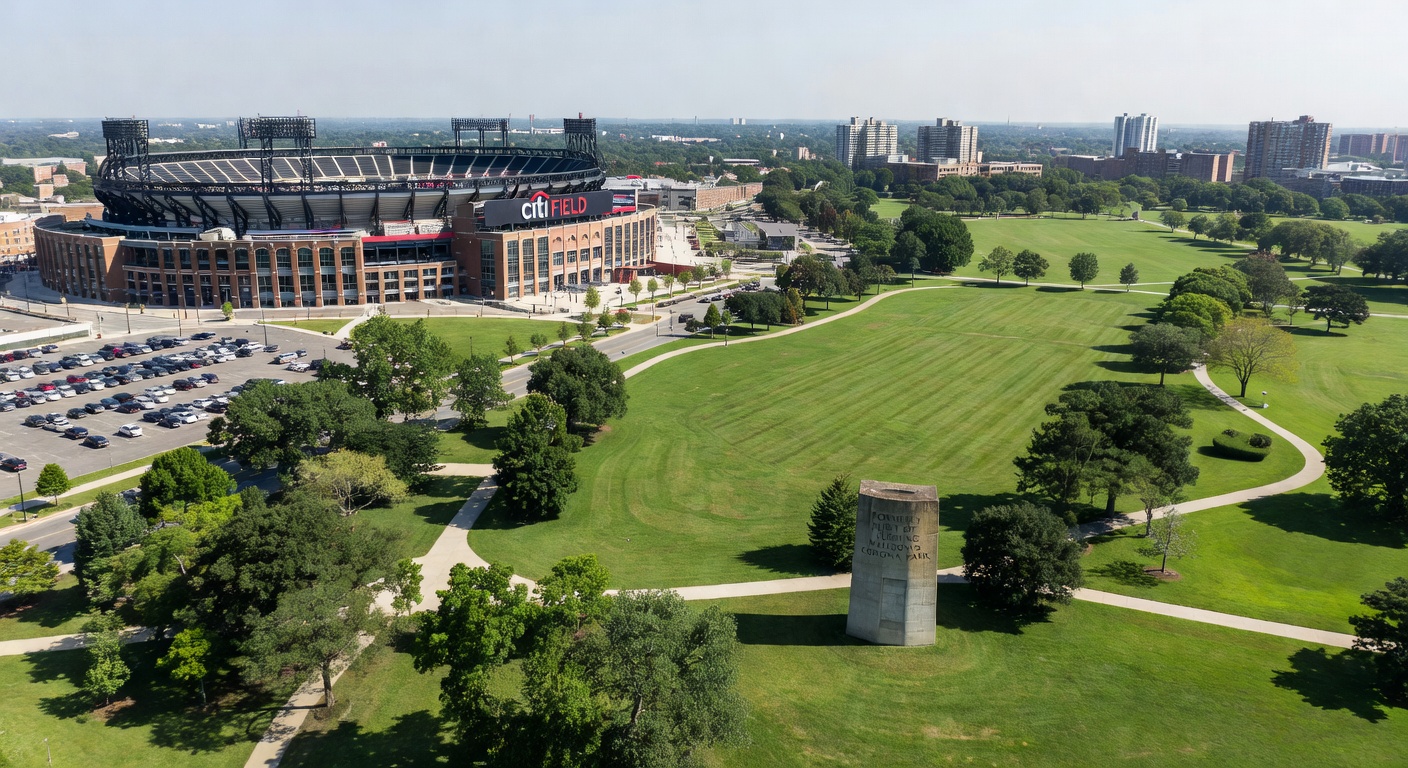
A section of land in Queens, New York, once part of the sprawling Flushing Meadows Corona Park and sitting right near Citi Field, got reclassified from protected parkland to commercial use last year; this move cleared the way for one of New York's three approved new casino developments, turning heads among locals who cherish the area's green spaces. Developers eyed these parking lots adjacent to the park, spaces that had served Mets fans and park visitors for years, and pushed for the change to build big. Now, the Hard Rock Hotel & Casino Metropolitan Park project stands poised to rise there, backed by heavy hitters in entertainment and sports.
What's interesting about this spot is its history; Flushing Meadows Corona Park, famous for hosting the 1964 World's Fair and unicyclists zipping around its paths, has long been a haven for working-class families, immigrants, and sports enthusiasts alike. Yet, portions of the surrounding parking areas, technically under city control, became fair game for redevelopment when the New York City Council approved the switch in 2023, according to reports from industry watchers. This reclassification, part of a broader push for downstate casino licenses, set the stage for high-stakes gaming to edge into a neighborhood that's more about soccer games in the park than slot machines.
Project Details and Big-Money Backers
The Hard Rock Hotel & Casino Metropolitan Park promises a massive setup: 5,000 slot machines whirring alongside 375 live dealer tables, all spread across the redeveloped site that spans those former parking lots next to the park. Hard Rock International, known for its rock 'n' roll themed properties worldwide, teamed up with Steve Cohen, the billionaire owner of the New York Mets, to pour $8 billion into the venture; their bid secured one of the three coveted downstate casino licenses approved by state regulators. Construction plans include not just gaming floors but hotels, entertainment venues, and retail spaces, aiming to draw millions of visitors annually while creating thousands of jobs.
Turns out, the site's proximity to Citi Field adds a unique twist; Mets games already pack the parking lots, so integrating a casino here could blend sports and gambling in ways unseen before in New York City. Experts who've studied urban casino developments note that such locations often boost local economies through tourism, although the specifics here hinge on final approvals and community input. Data from similar projects elsewhere, like those tracked by the New York State Gaming Commission, indicate potential for significant tax revenue, with projections for this site alone reaching into the hundreds of millions yearly once operational.
Local Voices and Community Concerns
Working-class immigrant residents, many of whom call the neighborhoods around Flushing Meadows home, have voiced sharp concerns over the casino's footprint; they worry about traffic jams worsening near Citi Field, noise spilling into quiet evenings, and the park's green buffer shrinking just when families need it most. One neighbor, a long-time Queens resident quoted in recent coverage, highlighted fears that the project could price out locals through rising costs, although developers counter with promises of affordable housing units within the complex. And here's the thing: these communities, rich in diversity from Asia, Latin America, and beyond, rely on the park for picnics, exercise, and cultural events, making any land loss feel personal.
Observers note that public hearings drew packed rooms last year, with testimonials ranging from support for job creation—projected at 5,000 positions during peak operations—to opposition rooted in preserving open space. Studies on casino impacts in urban areas, such as those compiled by the New York City Department of City Planning, reveal mixed outcomes: economic boosts alongside challenges like increased crime rates or addiction services needs, though specifics vary by location. People who've lived through similar transformations, like in Atlantic City, often point to the need for strong mitigation plans, which Hard Rock has outlined in community benefit agreements promising park enhancements elsewhere.
Regulatory Path and Timeline Ahead
State lawmakers greenlit three downstate casino licenses in 2022 via a constitutional amendment, but the real work kicked off with competitive bidding; Hard Rock and Cohen's SL Green Realty Corp. partnership emerged as frontrunners for the Queens site, beating out rivals with their detailed proposal. The land reclassification, finalized by the City Council amid heated debates, aligned with this process, allowing environmental reviews and zoning tweaks to proceed. Now, as of early 2026, final licensing decisions loom large, with hearings potentially extending into March when the Gaming Facility Location Board might announce winners.
That said, the project's not without hurdles; lawsuits from park advocates challenge the parkland alienation, arguing it violates public trust doctrines under New York law, while supporters cite precedents where replacement lands were provided. Figures from the bidding process reveal Hard Rock's commitment: $1.5 billion earmarked for community funds, including workforce training for immigrants and upgrades to transit links near the 7 train station. It's noteworthy that March 2026 could mark a pivotal moment, as reports suggest the board plans to convene then for final votes, potentially fast-tracking construction if approved.
Take the case of nearby developments: the Mets' own stadium upgrades brought economic ripples without gutting parkland, so proponents argue this casino could follow suit, blending seamlessly. Yet, residents push back, organizing petitions that gathered thousands of signatures, emphasizing that once parkland goes commercial, it's gone for good. Researchers who've analyzed these bids found Hard Rock's plan scores high on sustainability, with rooftop parks and EV charging stations offsetting some green space losses.
Economic Promises Versus Neighborhood Realities
Backers tout the $8 billion investment as a game-changer for Queens, where median incomes lag behind Manhattan's glitter; jobs in hospitality, security, and maintenance could employ locals directly, and tax dollars might fund schools strained by immigrant influxes. But here's where it gets interesting: data from existing upstate casinos like Resorts World in the Catskills shows revenue sharing formulas that pump millions into education, a model downstate projects aim to replicate. One study highlighted how such facilities generate 10,000 indirect jobs through suppliers, a boon for working-class areas.
So, while the park's edge transforms, developers pledge to maintain access paths and add recreational features, like walking trails around the casino perimeter. Neighborhood groups, undeterred, rally at community boards, sharing stories of how the park served as a lifeline during COVID lockdowns—fresh air when apartments felt like cages. And although approvals inch forward, the tension builds, with March 2026 eyed as the deadline that could tip the scales.
Conclusion
The Hard Rock Hotel & Casino Metropolitan Park project encapsulates Queens' evolving skyline, where parkland yields to commerce near Citi Field, stirring debates that pit economic growth against community heritage. Local working-class immigrants watch closely as regulators weigh bids, with March 2026 potentially sealing the deal amid promises of jobs, revenue, and mitigated impacts. Ultimately, the site's fate hinges on balancing these stakes, ensuring the neighborhood's vibrancy endures whatever rises from those former parking lots. Observers agree: this story's far from over, as Queens navigates its high-roller future.