19 Jun 2026
Seamless Transaction Routes Supporting Elite Mobile Live Play and Betting Networks
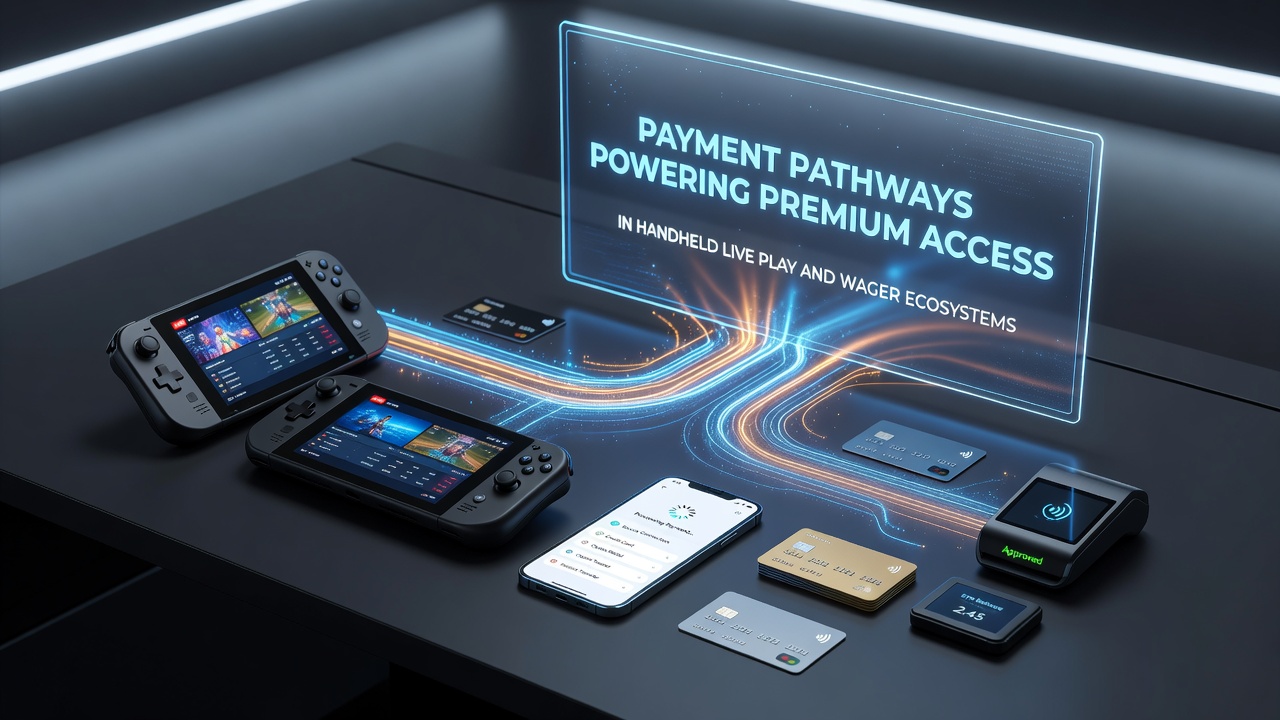
Payment systems have become central to how users access premium features in mobile environments that combine live dealer interactions with real-time sports wagers and slot sequences. These pathways allow instant transfers that unlock higher-tier tables, exclusive bonus structures, and priority support channels without interrupting gameplay flow. Data from industry tracking shows transaction volumes in mobile gaming segments rose steadily through 2025, with projections pointing toward further acceleration by June 2026 as new regulatory frameworks take shape in several jurisdictions.
Core Components of Mobile Payment Infrastructure
Digital wallets, bank-linked transfers, and cryptocurrency options form the backbone of these systems, each serving distinct segments of the user base. E-wallets handle rapid deposits that appear in player accounts within seconds, enabling immediate entry into live blackjack rooms or soccer parlay markets. Cryptocurrency rails, meanwhile, provide anonymity layers that appeal to users seeking privacy during high-volume betting sessions, while traditional bank integrations offer built-in fraud protections that satisfy stricter compliance requirements across North American and European markets.
Observers note that integration between these methods occurs through unified APIs that sync balances across devices in real time. One study from the European Gaming and Betting Association highlighted how multi-channel payment setups reduced session drop-offs by connecting reward redemptions directly to ongoing wager streams. This connectivity proves essential when players move between slot cascades and live table decisions without pausing to manage separate funding sources.
Premium Access Mechanisms Powered by Transaction Speed
VIP ladders in handheld ecosystems rely on consistent payment activity to grant elevated status levels. Users who complete verified transfers above certain thresholds gain access to private dealer tables, customized odds feeds, and accelerated cashout queues. These pathways operate on tiered verification protocols that scale security checks according to transaction size, ensuring larger premium deposits receive enhanced monitoring while smaller routine transfers process automatically.
Payment processors embed loyalty tracking directly into their ledgers, so every funded session contributes points toward bonus unlocks or support priority. Researchers at academic institutions studying digital transaction patterns found that seamless integration between payment confirmations and reward systems increased user retention rates in live play environments. The architecture supports simultaneous handling of multiple wager types, from instant crypto cashouts after table wins to scheduled bank payouts following extended sports betting sessions.
Security Protocols and Regulatory Alignment
Encryption standards and multi-factor authentication guard each step of the funding process, with real-time monitoring flagging unusual patterns before they affect live gameplay. Regulators in regions such as Australia and Canada have updated guidelines to require payment providers to maintain segregated accounts for player funds, a measure that directly influences how premium access features are delivered on mobile platforms. Compliance teams work alongside developers to embed these controls without adding latency to deposit or withdrawal sequences.
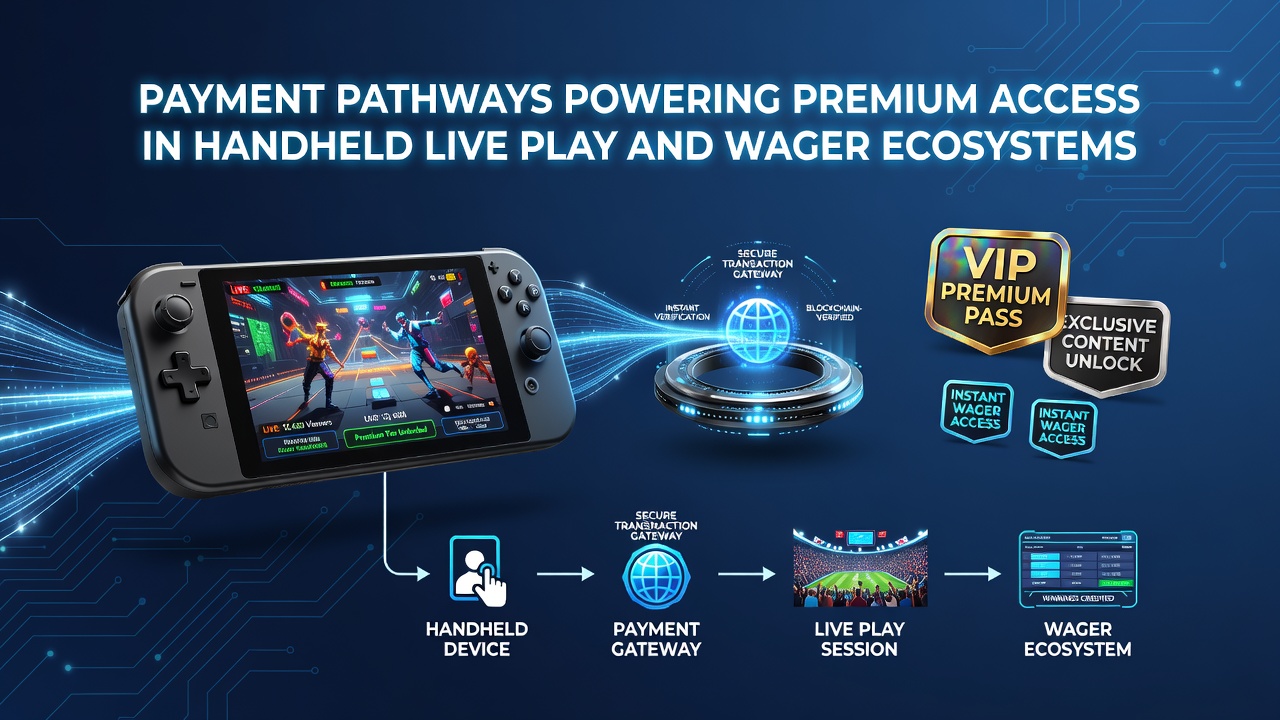
What's notable is the emergence of cross-border payment corridors that let users maintain consistent access when traveling between markets with differing rules. These corridors use localized compliance layers that adjust automatically based on device location and account history. Figures from recent industry reports indicate that platforms adopting such adaptive systems saw measurable growth in cross-jurisdictional engagement ahead of anticipated expansions scheduled for mid-2026.
Future Developments in Transaction Ecosystems
By June 2026 several operators plan to roll out enhanced instant settlement tools that merge biometric verification with payment confirmations for even faster premium tier upgrades. These updates aim to streamline the connection between funding actions and live environment features, including dealer chat access and parlay builder tools. Industry groups continue to examine how emerging technologies such as blockchain-based ledgers might further reduce reconciliation times between deposits and playable balances.
Analysts tracking these shifts emphasize the role of standardized data formats that allow different payment providers to communicate status updates without exposing sensitive user details. This interoperability supports the complex ecosystems where slot progressions, table strategies, and sports wagers all draw from the same funded account in real time.
Conclusion
Payment pathways continue to shape how premium access unfolds within handheld live play and wager platforms through their influence on speed, security, and feature availability. As transaction methods evolve alongside regulatory expectations, the underlying infrastructure determines which users reach elite levels and how smoothly they navigate between different forms of mobile gaming content. Continued refinement of these systems will determine the operational landscape through the coming regulatory cycles.